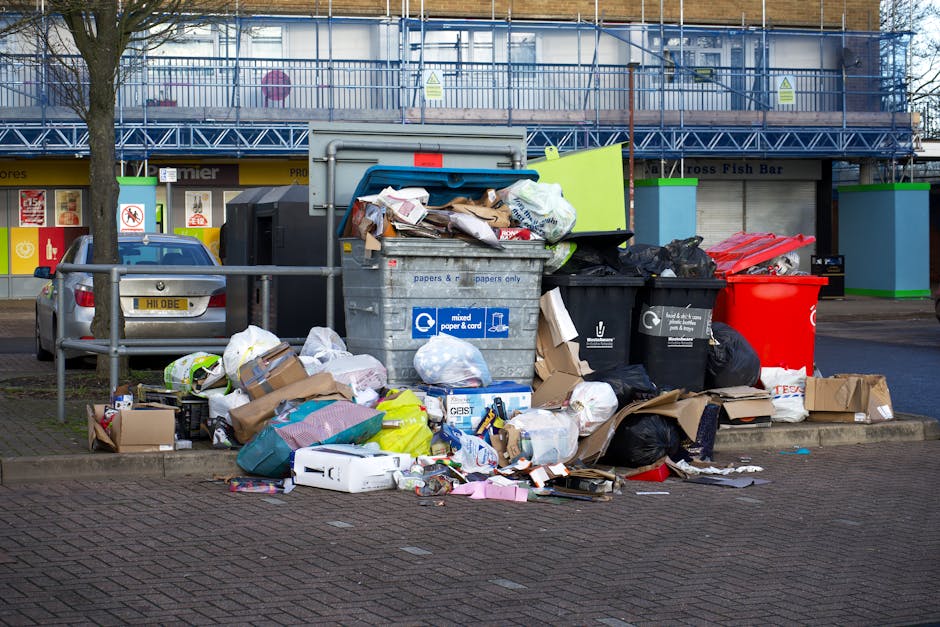
Bulky rubbish drop off Loxford Road Redbridge: a practical guide for homes, landlords, and local businesses
If you are looking into Bulky rubbish drop off Loxford Road Redbridge, chances are you have one or two awkward items taking up space and you want them gone without turning the day into a mini ordeal. Fair enough. A sofa that won't fit through the door, a tired mattress, broken cabinets, or a stack of office chairs can quickly eat up a hallway, a garage, or the back room of a shop. And let's face it, bulky waste is never just "one item" once you start moving things around.
This guide explains what bulky rubbish drop off means in practice, how it usually works around Loxford Road and the wider Redbridge area, what to check before you move anything, and how to avoid the common mistakes that lead to delays, extra costs, or a lot of unnecessary lifting. You will also find a checklist, a comparison of disposal options, and plain-English guidance on compliance and safety.
For readers who want a broader clearance service rather than just one-off bulky waste handling, you may also find general waste removal support useful, or a more specific service like furniture clearance if the job is mostly large household items.
Why Bulky rubbish drop off Loxford Road Redbridge Matters
Bulky rubbish is different from everyday household bag waste. It is larger, heavier, often awkwardly shaped, and usually not something you can neatly leave out with normal weekly collections. That matters because bulky items can block access, create trip hazards, attract pests if left outside too long, and generally make a property feel cluttered and harder to manage.
On a busy road like Loxford Road, the practical side matters too. There may be limited space to carry items out, less room to stage waste safely, and more need to think about neighbours, pedestrians, and vehicle access. If you are working around flats, shared entrances, or mixed-use premises, timing becomes important as well. A small delay can mean carts, trolleys, and people all trying to share the same narrow path. Not ideal.
There is also a neatness to doing it properly. When bulky waste is removed in a controlled way, you reduce the risk of damage to walls, communal areas, or stairwells. You also make it easier to sort reusable items from genuinely unwanted waste. In real life, that often means less stress for the resident, landlord, or business manager, which is the bit people usually care about most, to be honest.
If your clearance is part of a bigger project, it can make sense to look at related services such as house clearance, flat clearance, or even home clearance where several rooms need attention rather than a single bulky pickup.
How Bulky rubbish drop off Loxford Road Redbridge Works
In practical terms, bulky rubbish drop off usually means gathering large items, confirming what can be taken, and arranging a collection or disposal route that suits the property and the load. Some people imagine it as simply leaving items outside. Sometimes that happens. More often, it involves a bit more thought: access, lifting, item type, sorting, and whether anything needs disassembly first.
The process typically starts with identifying what you want removed. That sounds obvious, but a quick walk-through helps more than people expect. One chair, a wardrobe, and a broken shelving unit can turn into a surprisingly mixed load once you check what is inside them. Drawers, loose screws, glass shelves, batteries, cables, and old paperwork all need different handling. A ten-minute sort-out can save a lot of frustration later.
From there, the next step is access. Can the item be carried down stairs? Does it need two people? Will it fit through the front door, or does it need partial dismantling? On Loxford Road especially, where access can vary from one property type to another, a straightforward plan matters. You may need to arrange a time that avoids busy footfall or parking pressure. In some cases, that tiny bit of planning makes the whole thing feel surprisingly smooth.
Once the load is ready, the waste should be moved in a safe, tidy way and then directed to the right disposal route. Good practice is always to separate reusable furniture, recyclable material, and genuinely unrecoverable rubbish where possible. For example, a good-quality table might be better handled through furniture disposal or clearance rather than mixed with builders' debris.
Key Benefits and Practical Advantages
There are a few real benefits to handling bulky rubbish properly, and they are not just about tidiness. The first is time. A planned drop off or collection is usually far quicker than trying to break items down piece by piece without the right tools. That matters when you are juggling a move, a renovation, or business operations.
The second is safety. Heavy or awkward items can cause strained backs, trapped fingers, damaged flooring, and scratched walls. People often underestimate this, especially with flat-pack furniture that looks lighter than it is. In our experience, the item that looks "easy enough" is often the one that gives the most trouble. Funny how that works.
The third is space recovery. Clearing bulky waste immediately changes how a room feels. A spare room becomes usable again. A garage gets its function back. A shop stockroom stops feeling like a storage battle zone. That sense of breathing room is often the real reason people act, even if they start with a purely practical motive.
Another clear advantage is better sorting. Items can be separated for disposal, recycling, or reuse where possible. For people who care about reducing avoidable waste, that is a meaningful difference. If sustainability matters to you, it is worth reviewing a provider's recycling and sustainability approach before you book anything.
Who This Is For and When It Makes Sense
Bulky rubbish drop off in Redbridge is useful for a wide mix of people. Homeowners use it after a clear-out, a new furniture delivery, or a garden project. Landlords use it between tenancies, especially when left-behind items need removing quickly. Local businesses use it when storage rooms, reception areas, or office floors are being refreshed. And then there are the "it has been sitting there for months" situations. No judgement. We have all got one corner like that.
It makes sense when the items are too large for normal bins, too awkward for a standard car, or too much for a resident to safely handle alone. It also makes sense when you have a deadline. Maybe the decorators are coming tomorrow. Maybe the keys need to be handed back. Maybe the office is changing layout on Friday morning and no one wants to dodge old chairs all day.
For business premises, it can be worth looking at office clearance or business waste removal if the items include desks, filing units, meeting-room furniture, or old equipment. For homes with heavy loft or storage items, loft clearance or garage clearance may be the better starting point.
Step-by-Step Guidance
Here is a simple way to handle bulky rubbish without making the job harder than it needs to be.
- Identify every bulky item clearly. Walk through the space and list what needs to go. Include hidden extras like shelves, fixtures, or loose pieces.
- Separate reusable, recyclable, and waste items. A clean split helps with disposal and can reduce unnecessary mixing.
- Measure access points. Check doors, stairwells, lifts, and any tight corners. Old furniture often needs to be tilted, carried sideways, or partly dismantled.
- Clear a path. Move small items, shoes, mats, and fragile objects out of the way before lifting starts.
- Decide what needs dismantling. Sometimes removing a table leg or wardrobe door makes the entire job much easier.
- Choose your disposal method. That might be a drop off, a collection, or a wider clearance service depending on the load size.
- Book a suitable time slot. Aim for a time when access is easiest and neighbours, staff, or residents are least likely to be disrupted.
- Confirm the final load. Right before collection, do a quick check to make sure nothing has been added without warning.
If you are dealing with a whole-property clean-up rather than isolated items, services like house clearance or home clearance can be more efficient than piecing together several separate removals.
Expert Tips for Better Results
One of the best things you can do is sort items the moment you start. Do not wait until the last ten minutes, because that is when batteries, sharp bits, and random cables appear like they were hiding on purpose. A tidy sort also helps if there are items that could be donated, reused, or recycled.
It is also worth taking photographs before anything is moved, especially for rental properties, offices, or shared buildings. Photos can help with records, planning, and any later questions about what was present. Not glamorous, admittedly, but very useful.
Another practical tip: keep one "decision pile" for items you are unsure about. That pile is important because people tend to overthink one or two objects and delay the whole job. Be decisive with most of the load, then review the doubtful bits separately.
For people dealing with larger furniture pieces, a focused route like furniture clearance can be more efficient than a general catch-all approach. And if the items are heavily worn but still structurally sound, it can be worth checking whether they are better treated as furniture disposal or as part of a broader clearance with reusable items kept apart.
Last little thing. Gloves, proper footwear, and a clear route do sound basic, but basic is often what saves the day. Boring? Maybe. Effective? Absolutely.
Common Mistakes to Avoid
The most common mistake is underestimating volume. People look at a pile and think, "That's not much." Then they start moving it and realise the pile includes a wardrobe, three drawers, and a weirdly heavy table base. Classic. If in doubt, overestimate rather than underprepare.
Another mistake is leaving sorting until after the bulky item is already at the curb or in the hall. Once everything is mixed together, recycling opportunities drop and the job gets slower. Pre-sorting always wins.
People also forget about access restrictions. A sofa might fit in the room it came from, but the route out could be the real problem. Tight stair turns, parking pressure, low ceilings, shared hallways, or a lift that is just slightly too small all matter.
Finally, some people assume all bulky waste is the same. It is not. A solid wood cabinet is handled differently from a broken mattress, and a mixture of office items may need a different approach again. If the load includes renovation debris, then builders waste clearance may be the better fit.
Tools, Resources and Recommendations
You do not need a warehouse of equipment for a standard bulky rubbish job, but a few simple tools can make a big difference:
- sturdy gloves
- trolley or sack truck for heavier items
- packing tape and labels for loose parts
- basic screwdriver or hex keys for dismantling furniture
- dust sheets or protective covers for hallways
- bin bags for smaller loose contents
- measuring tape for awkward items and door widths
Recommendations should always start with the nature of the load. If it is mostly domestic furniture, a service like furniture clearance is a sensible fit. If it is a business move-out or a stockroom clean-down, the more suitable option may be office clearance or broader business waste removal.
For people comparing service providers, useful pages to review include pricing and quotes, insurance and safety, and about us. They are not the most exciting clicks in the world, granted, but they help you judge how organised and transparent a provider is.
Law, Compliance, Standards, or Best Practice
For bulky rubbish, the key compliance idea is simple: waste should be handled responsibly, and the person producing the waste should think carefully about where it goes. In the UK, that usually means using a reputable carrier, keeping your records sensible, and avoiding fly-tipping or careless roadside dumping. If something feels off, it probably is.
Best practice also includes duty of care in plain English: know what you are giving away, ensure it goes to a legitimate route, and separate items where it is practical to do so. For mixed loads, that may involve checking whether items are reusable, recyclable, or just plain waste. The more you can sort at source, the cleaner the process usually becomes.
Safety matters as well. Heavy lifting, sharp edges, broken glass, and damaged wood can all create unnecessary risk. If you are unsure whether an item is safe to move, do not push on with it out of stubbornness. That is the sort of decision that ends with a sore back and a lot of muttering in the kitchen.
If you are booking a service, it is reasonable to look at the provider's health and safety policy and terms and conditions. That helps set expectations around access, cancellations, item types, and what happens if the load changes on arrival.
Options, Methods, or Comparison Table
There is no single best way to deal with bulky rubbish. The right method depends on volume, urgency, item type, access, and how much help you want. This comparison should make the choice a bit easier.
| Method | Best for | Strengths | Drawbacks |
|---|---|---|---|
| Self-managed drop off | Small loads and simple items | Can be flexible and direct | Requires transport, lifting, and time |
| Professional collection | Heavy, awkward, or mixed bulky waste | Less lifting, quicker turnarounds, easier on the day | Usually costs more than doing it yourself |
| Targeted furniture clearance | Sofas, wardrobes, tables, chairs, mattresses | Good for reusable or category-specific loads | Less useful if the waste is mixed |
| Full property clearance | Homes, flats, lofts, garages, offices | Most efficient for larger projects | May be more service than you actually need |
If you only have one or two bulky items, a focused option may be all you need. If you have a full room or several rooms of clutter, the broader route is usually less stressful in practice.
Case Study or Real-World Example
Here is a realistic example. A small office near Loxford Road decides to replace a set of worn desks and a few mismatched chairs. At first, the team thinks it can be handled in one quick afternoon. Then they check the lift, the corridor width, the final meeting schedule, and the pile of cables under one desk. The plan changes a bit, as these things do.
Instead of dragging everything out in a rush, they sort items by type, remove loose parts, and clear the route first. The larger desks are handled separately from the chairs, and the reception area is kept tidy while the work is going on. The result is less noise, less disruption, and far fewer "where does this go?" moments.
That kind of job is exactly where a service such as office clearance becomes useful. It reduces the burden on staff and makes the process more orderly. In a home setting, the same principle might apply to a dining set, a couple of wardrobes, or a garage packed with old furniture and odd bits left from previous projects.
The key takeaway? Small bits of planning save a lot of heavy lifting later. Simple, but true.
Practical Checklist
Use this quick checklist before arranging a bulky rubbish drop off or collection in Loxford Road, Redbridge:
- List every bulky item clearly
- Check whether anything can be reused or recycled
- Measure doors, lifts, stairs, and tight corners
- Clear the route from item to exit
- Remove loose contents from drawers, shelves, and cupboards
- Disassemble items where it makes safe access easier
- Identify anything sharp, fragile, or hazardous
- Choose the right service type for the load
- Review pricing, access needs, and terms in advance
- Keep proof or notes of what was removed if you need records
Expert summary: the smoothest bulky rubbish jobs are rarely the fanciest ones. They are the ones where the load is sorted, access is checked, and the route is clear before anyone starts carrying anything heavy.
And if you are comparing providers, it is sensible to review contact options and payment and security information so there are no awkward surprises on the day. Nobody enjoys surprise admin. Nobody.
Conclusion
Bulky rubbish drop off on Loxford Road in Redbridge is really about making a messy, awkward task feel manageable. Whether you are clearing one oversized item or a whole stack of furniture, the winning formula is the same: sort first, plan access, choose the right disposal route, and keep safety in mind.
That approach saves time, reduces stress, and makes the whole process feel less like a wrestling match with your own hallway. For many people, the biggest relief is simply seeing the space open up again. A clear room, a usable garage, a tidy office corner - it changes the mood of a place more than you expect.
If you are in the middle of a clearance job right now, take it one step at a time. Start with the items that are easiest to move, keep the route clear, and ask for help where you need it. That is usually enough to turn a difficult job into a straightforward one, and honestly, that is the best outcome most days.
Get a free quote today and see how much you can save.
Frequently Asked Questions
What counts as bulky rubbish on Loxford Road Redbridge?
Bulky rubbish usually means items that are too large or awkward for normal household waste collections. Common examples include sofas, beds, wardrobes, tables, chairs, mattresses, and oversized office furniture.
Can I leave bulky rubbish outside for collection?
Sometimes, but only if the arrangement and access are suitable. It is usually better to confirm the timing, placement, and item type first so the waste is collected safely and without causing obstruction.
Do I need to dismantle furniture before bulky rubbish drop off?
Not always, but partial dismantling can make the job much easier. Removing legs, doors, shelves, or drawers often helps with safe carrying and reduces the chance of damage indoors.
What happens if my load includes mixed items?
Mixed loads are common. The main thing is to separate what can be reused, recycled, or handled as different waste types where possible. This usually makes the removal cleaner and more efficient.
Is bulky rubbish removal suitable for flats and apartments?
Yes, but access planning matters more in flats. Stairwells, lifts, shared entrances, and neighbour movement all need a bit of thought so the removal goes smoothly and respectfully.
How do I know whether I need furniture clearance or general waste removal?
If most of your load is sofas, beds, wardrobes, or similar items, furniture clearance is often the better fit. If the waste is a broader mix of rubbish, packaging, or general clutter, a more general waste removal service may suit you better.
Can bulky waste be recycled or reused?
Often, yes. It depends on the condition and type of item. Good-quality furniture may be suitable for reuse, while other materials may be separated for recycling where practical.
What should I check before booking a bulky rubbish service?
Check what items are included, whether access is straightforward, how pricing works, whether lifting is covered, and what happens if the load changes on arrival. A quick review upfront saves headaches later.
Are there safety risks with moving bulky waste myself?
Yes. Heavy lifting, sharp edges, awkward angles, and poor access can all create risk. If anything feels too heavy or unstable, it is better to slow down and get support rather than rush.
Can businesses use bulky rubbish drop off for office items?
Absolutely. Office chairs, desks, filing units, and storage furniture are common examples. For larger or more frequent jobs, office clearance or business waste removal can be the more practical option.
What if I only have one or two items to remove?
That is still worth sorting properly. Even one sofa or one wardrobe can create a lot of hassle if you do not plan the removal well. Small jobs deserve the same care, just less of the drama.
How do I compare providers fairly?
Look at clarity, safety, item handling, pricing guidance, and how well the provider explains the process. Pages like about us, pricing and quotes, and insurance and safety can help you judge whether the service feels trustworthy and organised.
When the job is done well, bulky rubbish removal stops being a headache and becomes a clean reset. That little bit of breathing space can be surprisingly uplifting, especially on a street where every square metre counts.