Office Clearance in Redbridge
Office Clearance Redbridge provides a focused service for workplaces that need desks, chairs, filing, electronics and other office contents removed in an organised way. Whether you are clearing a single room, reworking a suite or closing down a larger site, the aim is to keep the process straightforward and tidy. We handle office clearance work with an emphasis on separating reusable items, general waste and items that need careful handling, so the finished space is left ready for its next use.
The service is suitable for companies, landlords, managing agents and organisations with varied office layouts. Commercial premises often contain a mix of furniture, archive material, IT equipment and everyday clutter, so a useful clearance needs more than just lifting items out. We plan each job around access, volume and the type of contents involved, with attention to items that may need sorting before removal. If you are comparing options, pricing and quotes is a sensible place to look at how enquiries are handled. Please ask for a quotation when you are ready to outline the space and the items involved.
For businesses, a clear office clearance can help make room for refurbishment, relocation or a different working setup. The work may involve dismantling selected furniture, moving bulkier items through shared access points and separating material streams so usable items are not mixed in with general waste. We can also support smaller clearances where only a few areas need attention, which is useful if you are dealing with an overspill store room, unused furniture or a back office that has become hard to manage.
What our office clearance service covers

Office clearance is rarely just about emptying a room. A typical workspace can include fitted storage, freestanding desks, task chairs, pedestal units, shelves, display items and personal effects left behind after a move or reorganisation. We approach the work by considering the layout first, then planning the sequence of removal so heavier items and smaller loose contents are handled sensibly. That makes it easier to keep corridors, lifts and exits clear while the work is underway.
We also recognise that different offices hold different kinds of material. Some sites contain archived paperwork, some have mixed furniture and stock, and others have equipment that needs separate attention before disposal. The service can therefore include sorting and loading support around items that are ready to move, while sensitive or documented contents can be set aside as directed. If you need a broader business-focused option, our business waste removal page covers the kind of ongoing and one-off waste work that may sit alongside clearance.
Useful office clearance planning often comes down to a few practical decisions:
- which rooms or zones are included;
- what should be removed, retained or set aside;
- whether furniture needs dismantling before lifting;
- how access, lifts and loading points can be used safely;
- what sort of contents may need extra care during sorting.
Furniture, desks and storage removal

Many office clearances begin with furniture because that is usually the most visible part of the space. Desks, meeting tables, reception seating, cupboards and shelving can take up substantial room even when they no longer serve a working purpose. Our furniture clearance work is designed to remove those items methodically, with attention to breaking down larger units where required and moving pieces without damaging walls, floors or shared parts of the building. Where suitable, reusable items can be separated from general waste as the clearance progresses.
Office furniture often varies within the same premises, particularly where a business has grown in stages. A single floor may contain different desk styles, ad hoc storage and older items that have been retained longer than planned. In those cases, a careful clearance needs to respect what is staying in use and what is leaving. If your project includes domestic-style fixtures left in staff areas or an annex, the broader furniture clearance page shows how individual items can be handled as part of a larger removal.
Storage units, filing cabinets and shelving deserve particular care because they often contain mixed contents or are positioned in tight corners. They may need emptying, labelled separation or partial dismantling before removal. We work in a way that supports that process without turning the job into a disruptive strip-out. Where the clearance includes office furniture only, the focus stays on extracting those items efficiently so the room can be handed back, refurnished or repurposed.
Equipment, paperwork and mixed office contents
Not every office clearance is dominated by furniture. Some involve cupboards full of mixed paperwork, archive boxes, minor equipment, stationery and outdated display material. That kind of content benefits from orderly sorting, because the aim is to remove what should leave while leaving the rest available for review. Our approach is practical rather than hurried, allowing you to identify what belongs with the clearance and what should remain in place until decisions are made.
Where rooms contain a blend of office contents, it is helpful to separate the clearance into broad categories. Heavy furniture can go first, then grouped contents such as paper-based material, loose office equipment and smaller items from shelves or cupboards. This makes the process easier to manage and reduces the chance of useful items being mixed in with waste. If the work extends beyond one floor or includes a storage room, a combined clearance plan is often simpler than treating each item separately. To start the process, contact us and outline the rooms you want cleared.
For clients comparing different service pages, it is worth thinking about whether the job is mainly about bulky items, general clutter or a full office contents clear-out. Each situation calls for a slightly different balance of lifting, sorting and disposal. We can help with office contents that are ready to go, and we can also support more selective clearances where some material is staying on site. That flexibility is useful when a workplace is still operating during the process.
Office clearance for moves, changes and closures
One of the most common reasons for office clearance is change: a relocation, a reconfiguration of the workplace or the end of a tenancy. In those situations, timing and sequence matter as much as the removal itself. It usually helps to clear larger furniture first, then follow with remaining contents so the space can be checked before handover. A planned office clearance can also reduce the chance of overlooked items causing a problem at the final stage.
Different business changes call for different approaches. A move may require selective removal so some assets travel with you, while a closure may need a more complete clear-out of rooms, cupboards and storage zones. Where desks, chairs and cabinets are being removed before a refurbishment or replacement fit-out, it is useful to decide in advance whether items are to be taken apart or moved intact. The office clearance page is useful for understanding the core service area, while this homepage brings the main options together in one place.
In some cases, a clearance is easier to manage in stages, especially if an office is still being used while work continues around it. We can work around practical constraints, provided access and the item list are clear. That way, the removal can be aligned with moving dates, cleaning, contractor access or the sequence of a broader workplace project.
How the clearance is organised
Good organisation makes a noticeable difference to office clearance work. Before the job begins, it helps to know which rooms are included, what types of items are in scope and whether there are any access limits such as narrow staircases, shared corridors or loading restrictions. Those details affect how the clearance is planned, how much time may be needed and what equipment or approach is sensible for the premises.
A clear list of items is especially useful where the office contains mixed contents or where only part of the site is being emptied. It can also help if you are arranging the work around other contractors, cleaners or building management. A practical enquiry usually includes notes about the size of the office, the level of access and any items that need particular care. Photographs or a short inventory can help us understand the task more accurately, especially for larger or less straightforward spaces. If you are weighing up related household-style removals alongside office work, our home clearance page may also be relevant for separate domestic needs.
We aim to keep the process direct. The more the workspace and item types are identified in advance, the easier it is to agree the right approach and prevent unnecessary repetition on the day. That does not mean every detail must be perfect, but it does mean the important points should be clear enough for a quotation to be prepared sensibly.
Furniture disposal and recycling choices
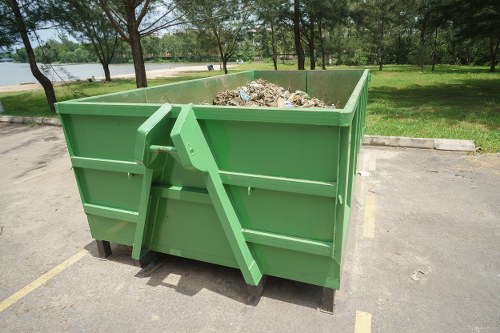
Office clearance often raises the question of what can be reused, what should be recycled and what needs disposal. Furniture can sometimes be suitable for a second life if it is still serviceable, while damaged, outdated or heavily worn items may need a different route. The same broad principle applies to mixed office contents: items are best separated according to condition and material where possible, rather than being treated as if every item has the same end point. This is one reason a tailored clearance is often more effective than a one-size-fits-all approach.
Where furniture or equipment is ready for removal, disposal decisions should be made with care and practicality in mind. Larger pieces may need dismantling; smaller items may be grouped and moved together; and mixed materials may need sorting before loading. If your priority is mainly the removal of surplus furniture rather than a full room clear-out, the furniture disposal page offers a useful related option. For offices with general clearance needs across several rooms, the key is to keep the work aligned with what is actually leaving the premises.
Sometimes a clearance also reveals items that had simply accumulated over time: spare chairs, broken storage, redundant signage, packaging or obsolete display material. Handling those items systematically keeps the work focused and avoids turning an office into an unmanageable pile-up during the clearance itself. If you are ready to take the next step, request a quotation and share the main rooms and item types so the work can be planned properly.
About Redbridge
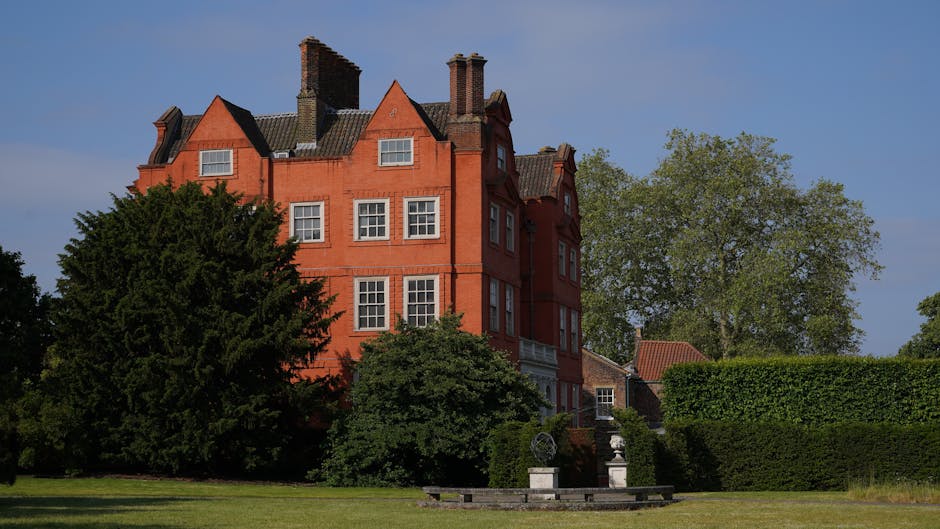
Redbridge is a London borough in the north-east of the capital, formed in 1965 from the former municipal boroughs and districts of Wanstead and Woodford, Ilford, and parts of Dagenham and Ilford Rural District. Its name comes from the historic bridge over the River Roding, a crossing associated with the old route through the area. The borough combines dense urban districts with open spaces, and much of its character comes from that contrast. Ilford is the best-known commercial centre, while Wanstead and Woodford retain a more suburban feel, with tree-lined roads, varied housing and a distinct local townscape. The borough also includes parts of Epping Forest at its northern edge, bringing accessible woodland and heathland into close reach of residential streets. Wanstead Flats, a large open space on the border with neighbouring boroughs, is one of several broad green areas that give the district a more spacious feel than many parts of inner London. The River Roding runs through the borough and has shaped routes, boundaries and development over time. Redbridge also has a varied architectural mix, from Victorian and Edwardian housing to later interwar and post-war development, with civic buildings, stations and shopping parades reflecting different phases of growth. Cultural life is equally varied, with libraries, places of worship, theatres and community venues spread across the borough’s main districts. Taken together, these features make Redbridge a place where historic routes, suburban neighbourhoods and urban centres sit closely alongside parks, waterways and residential streets, giving the borough a layered and practical identity within London.
Request a quotation for office clearance
When you are ready to arrange office clearance, it helps to think about the basic scope before making contact: the rooms involved, the types of furniture or contents present and whether the job is a selective clear-out or a fuller removal. That information gives a more accurate starting point for a quotation and helps the work move ahead in a sensible sequence. If there are items that need to stay in place, or access points that affect the removal, include that as well so the plan is realistic from the outset.
Some clients prefer to focus on a single area such as a meeting room, storeroom or reception zone, while others need several connected spaces cleared together. In either case, the value of a quotation lies in matching the service to the actual layout and contents. You can also review recycling and sustainability if you want to understand how separated material streams are considered during the process. The aim is to keep the clearance organised, proportionate and suited to the building.
For a straightforward next step, ask for a quotation and describe what needs to be removed. If your plans involve more than office furniture, or if the clearance forms part of a wider business move, mention that too so the enquiry can be handled with the right scope in mind. We are ready to help with a practical office clearance in Redbridge.