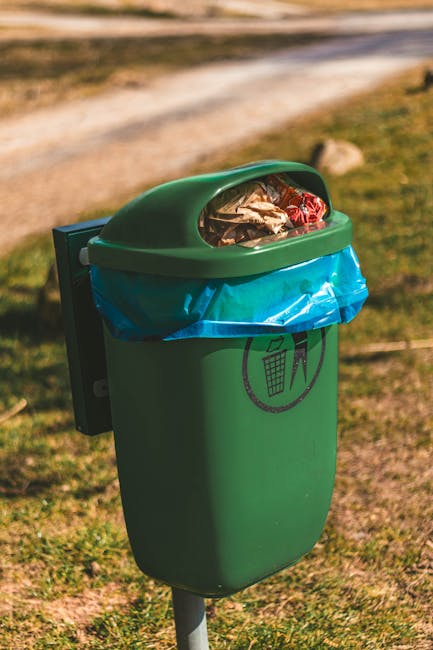
Fixing Shared Bin Overflow in Redbridge Flats: a practical guide for cleaner, safer communal living
Shared bin overflow in Redbridge flats is one of those problems that starts small and then suddenly takes over the whole entrance area. One Monday it is a couple of bags beside the lid. By Friday, you have black sacks leaning against the wall, gulls picking at the mess, and that familiar smell drifting through the stairwell. Not ideal, obviously.
If you are dealing with fixing shared bin overflow in Redbridge flats, you are probably trying to answer a few questions at once: what is causing it, who should deal with it, how do you stop it coming back, and what is the most sensible next step? This guide walks through all of that in plain English, with practical advice you can actually use in a real block of flats, not just in a tidy theory lesson that looks nice on paper.
You will find step-by-step guidance, common mistakes, compliance considerations, and a realistic view of what works best in communal properties. There is no silver bullet here, to be fair. But there are reliable ways to get control of the situation and keep shared bin areas usable again.
Table of Contents
- Why Fixing Shared Bin Overflow in Redbridge Flats Matters
- How Fixing Shared Bin Overflow in Redbridge Flats Works
- Key Benefits and Practical Advantages
- Who This Is For and When It Makes Sense
- Step-by-Step Guidance
- Expert Tips for Better Results
- Common Mistakes to Avoid
- Tools, Resources and Recommendations
- Law, Compliance, Standards, or Best Practice
- Options, Methods, or Comparison Table
- Case Study or Real-World Example
- Practical Checklist
- Conclusion
- Frequently Asked Questions
Why Fixing Shared Bin Overflow in Redbridge Flats Matters
Overflowing communal bins are not just untidy. They affect the way people live in a building, and once a shared area stops feeling managed, the knock-on effect is usually fast. Residents begin leaving bags wherever there is space. Small items get dropped nearby. Recyclables get mixed with general waste. Then the whole setup becomes harder to clean, harder to use, and harder to keep under control.
In Redbridge flats, where many people share limited waste space, bin overflow can quickly become a friction point between neighbours. One household may feel another is not sorting properly. Another may think the collection schedule is the issue. Sometimes the real problem is more basic: too few bins, poor positioning, awkward access, or waste being left after missed collections. Truth be told, it is often a mix of all four.
There is also the practical side. Overflow can attract flies, rats, foxes, and general mess. On damp days it can stain paving and leave residue that is unpleasant to deal with later. A bin area that is allowed to drift for too long can create extra cleaning costs and, in some blocks, complaints to landlords, managing agents, or the freeholder. Nobody wants the front of the building to become the place everyone quietly avoids.
For residents, the issue is simple: a clean bin area supports everyday living. For property managers, it helps protect the building's image and reduces avoidable maintenance. For everyone, it makes the place feel more civilised. Small thing, big impact.
How Fixing Shared Bin Overflow in Redbridge Flats Works
Fixing shared bin overflow is usually a process of removing immediate waste, identifying why the overflow happened, and then changing the conditions that caused it. That might mean increasing collection capacity, improving access, changing waste habits, or arranging a one-off clear-out if the area has already become heavily obstructed.
In a typical communal block, the work may involve several stages:
- clearing loose waste from around the bins
- sorting recyclable and non-recyclable materials where possible
- checking whether bins are damaged, full, missing lids, or wrongly located
- identifying recurring problem items such as bulky packaging or abandoned furniture
- reviewing the building's waste routine and resident access
- putting a cleaner, more workable system back in place
That sounds straightforward, but the real challenge is that overflow is rarely just a clean-up issue. It is a management issue too. If residents do not know which bin to use, if the collection timing is off, or if the bin store is awkward to enter with bags, the problem tends to return. If the job is handled properly, though, you can often spot the difference within days rather than weeks.
In our experience, the best results come when the immediate mess is dealt with and the root cause is handled at the same time. Clearing the area without changing anything else is a bit like mopping the floor while the tap is still running. Nice effort. Not enough.
Key Benefits and Practical Advantages
There are several clear benefits to sorting out overflow properly, and they are not just cosmetic.
- Cleaner shared entrances: Residents and visitors notice the difference immediately.
- Better hygiene: Less rotting waste and fewer pests mean a healthier environment.
- Lower complaint volume: A well-managed bin area tends to reduce neighbour disputes and management headaches.
- Safer access: Less loose waste means fewer trip hazards around communal paths and fire routes.
- Stronger resident confidence: People are more likely to use bins properly when the area already looks under control.
- More efficient waste handling: When bins are clearly organised, collections and cleaning routines become easier to manage.
There is another benefit that often gets overlooked: morale. A tidy bin area may sound unglamorous, but it has a surprisingly strong effect on how residents feel about the whole building. You notice it when you come home with shopping bags in the rain and the bin store does not smell like a bad Monday. That matters more than people admit.
Who This Is For and When It Makes Sense
This topic matters to a few different groups, and each one usually arrives with a slightly different concern.
- Residents who are tired of bags being left beside full bins or piled in corridors.
- Landlords and letting agents who want to reduce complaints and keep communal areas presentable.
- Managing agents responsible for maintaining order in shared buildings.
- Housing associations and freeholders dealing with repeat waste issues across multiple blocks.
- Cleaners and caretaking teams who need a practical, workable routine rather than a one-off tidy-up.
It makes sense to act when overflow becomes repeated rather than occasional. One missed collection can happen. A pattern of bags on the floor, broken bin lids, and residents leaving rubbish outside because there is no space? That is a signal, not a coincidence.
You should also take the issue seriously if the overflow is blocking access, creating an odour problem, or attracting pests. In those cases, the matter can move from nuisance to something that needs quick attention. And no, waiting for it to "settle down by itself" usually does not work. Funny how that never works.
Step-by-Step Guidance
If you are approaching this properly, a structured method saves time later. Here is a practical way to handle it.
- Inspect the bin area carefully. Look at what is actually overflowing. Is it general waste, recycling, food waste, bulky packaging, or a bit of everything?
- Remove the loose waste safely. Separate loose material from contaminated or heavy items where possible, and avoid dragging debris through communal hallways.
- Check the bins themselves. Broken lids, missing wheels, cramped positioning, or undersized capacity can all make the overflow worse.
- Look for the cause. Missed collection? Too many residents for too few bins? Poorly labelled containers? Overflow often has a pattern if you look closely.
- Improve the layout. Bins need to be easy to use. If access is tight or confusing, people will place bags wherever there is space.
- Reset the area. Once waste is removed, clean the surrounding surface and restore a clear, obvious setup for residents.
- Communicate the new arrangement. A short note to residents can help, especially if there has been a recurring problem or a changed collection routine.
- Monitor for a short period. Check whether overflow returns at the same point in the week. If it does, that tells you something useful.
If the space has become too cluttered for residents to use properly, a more substantial clear-out may be needed. That is especially true where old sacks, cardboard, and abandoned items have built up over time. A quick tidy can help, but sometimes you need the area reset from top to bottom before behaviour changes.
Expert Tips for Better Results
Small changes make a big difference in communal waste areas. Here are the practical details that matter most.
1. Make the bin area self-explanatory
Clear signage helps, but the layout matters just as much. If recycling bins are tucked behind general waste bins, or food waste containers are hard to reach, people will take the path of least resistance. That path is usually the messiest one.
2. Think about peak times
Overflow often appears after busy evenings, weekends, or bank holidays. If you know the pattern, you can schedule checks and clean-ups more intelligently. A bin store can look fine at 10 a.m. and a bit alarming by 8 p.m. on the wrong day.
3. Keep the area easy to clean
Spilled liquids, torn bags, and cardboard soaked through from rain make the whole job harder. A practical setup should allow cleaners or caretakers to move quickly without wrestling around awkward bin placement.
4. Address resident habits without sounding accusatory
People respond better to clear guidance than to blame. A calm message about bin use, collection timing, and what should not be left outside tends to work better than a stern notice that reads like a school detention slip.
5. Deal with recurring bulky waste separately
Some blocks do not suffer from ordinary bin overflow as much as they suffer from cardboard boxes, packaging, or occasional dumped items. That needs a slightly different approach, because the real issue is often volume and convenience, not basic non-compliance.
One useful rule of thumb: if the same spot keeps overflowing, do not just clean it again. Re-think it.
Common Mistakes to Avoid
Overflow problems usually stick around because of a few repeat mistakes. The frustrating part is that these are all avoidable.
- Only removing the visible mess: If you ignore the cause, the overflow comes back fast.
- Using bins that are too small: A block with the wrong capacity will always struggle, however tidy the residents are.
- Poor communication: Residents cannot follow rules they do not understand.
- Blocking access to the bin store: If people have to squeeze through clutter, they will stop putting waste away properly.
- Mixing recycling and general waste carelessly: Contamination reduces efficiency and makes sorting harder later.
- Leaving damaged bins in service: Missing lids and broken doors invite overflow, birds, and general chaos.
- Ignoring odour and pest signs: If you can smell a problem before you see it, the issue is already established.
Another easy mistake is assuming every overflow case is the residents' fault. Sometimes, yes. But often there is a structural or operational reason behind it. It pays to look honestly at the setup before pointing fingers. That bit can save a lot of awkward conversations.
Tools, Resources and Recommendations
Depending on the size of the block and how serious the overflow is, the following tools and resources can be useful.
- Heavy-duty waste sacks for safe collection of loose debris.
- Gloves and protective equipment for anyone handling contaminated waste.
- Wheelie bin cleaners or wash-down equipment for sticky residues and smells.
- Clear labels or signage to show what belongs where.
- Spare bin lids or replacement containers where damaged bins are a recurring issue.
- Basic access control for bin stores that are being misused by outsiders.
For residents and property managers who want a more organised approach to waste handling, it can also help to keep a simple record of overflow dates, missed collections, and cleaning actions. Nothing fancy. Just a note in a shared log or management file. Over time, that makes patterns easier to spot.
If you are comparing service options, it can be useful to review pricing and quote options alongside the scope of the work. A lower headline price may not be the best value if the job needs repeat visits or extra handling.
For organisations that want a broader overview of how waste and reuse can be handled more responsibly, the page on recycling and sustainability is a sensible place to start. It is not just about what gets thrown away. It is about how the whole system works over time.
Law, Compliance, Standards, or Best Practice
Shared bin overflow in flats sits in a practical space where waste management, property maintenance, and resident responsibility overlap. The exact legal duties can vary depending on the type of property, ownership structure, management arrangements, and local collection setup, so it is wise not to assume one universal rule fits every block.
What does matter, in general UK practice, is that waste should be stored and managed so it does not create avoidable nuisance, health risks, or obstruction. Communal areas also need to be kept reasonably safe for residents, cleaners, contractors, and visitors. If waste begins to block access routes or creates a hygiene issue, it stops being a minor inconvenience and becomes a management concern.
Best practice usually includes:
- clear bin labelling
- adequate container capacity for the number of residents
- routine inspections
- prompt removal of stray waste
- safe handling procedures for cleaners or contractors
- recorded communication when changes are made
If the work involves manual handling, shared access areas, or contaminated waste, health and safety matters too. It is sensible to use contractors with clear procedures and proper insurance arrangements. For a fuller overview of that kind of approach, you can review the site's health and safety policy and insurance and safety information.
Where resident communication or service expectations are being set, the wording should be clear and fair. If disputes arise, a transparent complaints procedure can help keep the process calmer and more professional. Not glamorous, but useful. Very useful, actually.
Options, Methods, or Comparison Table
Not every overflow problem needs the same solution. Here is a practical comparison of the most common approaches.
| Approach | Best for | Strengths | Limitations |
|---|---|---|---|
| One-off clean-up | Fresh overflow, minor build-up | Fast, simple, restores access quickly | Does not solve recurring causes on its own |
| Clean-up plus resident guidance | Repeated overfilling caused by usage habits | Improves long-term behaviour without major changes | Needs communication and follow-through |
| Capacity review and bin reorganisation | Blocks with too few or poorly placed bins | Targets the root cause, often more sustainable | May require management approval or budget |
| Scheduled maintenance plan | Larger or busier communal properties | Keeps issues from building up again | Works best when everyone actually sticks to it |
If you are deciding between these, start with the cause. That sounds obvious, but it is where many blocks go wrong. If the waste area is overflowing because collections are not matched to resident numbers, a tidy-up helps only briefly. If the issue is residents leaving loose bags beside the bins, communication and layout changes may do the trick. Often, you need a blend.
Case Study or Real-World Example
Imagine a medium-sized Redbridge block with a shared bin store at the rear of the building. For several weeks, the area has been filling up by Thursday evening, and by the weekend bags are left on the ground. Residents complain about smells near the entrance, especially on warm days. One or two people start muttering that "nobody cares," which is usually a sign the situation has gone on too long.
The practical fix does not begin with a lecture. It starts with a proper clear-up, followed by a quick assessment of what is actually happening. In this kind of case, the likely issues are often:
- insufficient bin capacity for the number of flats
- cardboard and packaging being left outside the bins
- recycling and general waste being mixed
- residents not knowing when the bins are emptied
After the area is cleared, the block might benefit from better bin positioning, clearer labelling, and a short resident notice about waste placement. If the block has regular high volume, a more frequent cleaning or collection routine may be needed. The outcome is usually not dramatic in a cinematic sense, but it is noticeable: less smell, less mess, fewer complaints, and a far calmer stairwell.
That is the sort of change people feel rather than talk about. And honestly, that is often how you know it worked.
Practical Checklist
Use this checklist if you are dealing with a shared bin overflow problem in a flat block.
- Have I identified what type of waste is overflowing?
- Are the bins big enough for the number of residents?
- Are the bins easy to reach and easy to use?
- Is there evidence of missed collections or poor timing?
- Are damaged bins or lids making the issue worse?
- Has the loose waste around the area been removed safely?
- Have residents been told how the bin area should be used?
- Is recycling clearly separated from general waste?
- Has anyone checked for odour, pest activity, or hygiene concerns?
- Is there a follow-up plan so the issue does not creep back?
Key takeaway: the best fix is usually a combination of clean-up, capacity review, and better day-to-day habits. Do those three well, and the whole place feels easier to live in.
If you want help assessing the right approach for your building, take a look at about us to understand the team behind the service, or go straight to contact us to ask about your situation. For additional service information, it can also be useful to review terms and conditions and the privacy policy so you know what to expect when making an enquiry.
Get a free quote today and see how much you can save.
Conclusion
Fixing shared bin overflow in Redbridge flats is really about restoring order in a space that many people depend on every day. When the bin area works properly, no one thinks about it much. That is the goal, really. Quiet, clean, reliable, done.
Whether the problem is too much waste, too few bins, poor access, or a routine that has slipped, the answer is usually a practical one rather than a dramatic one. Clear the area, understand the cause, and make the setup easier to use. Then keep an eye on it. Simple, not easy. There is a difference.
A well-managed bin store does not just improve appearance. It makes the whole building feel more cared for, and that small shift can change how people use the space around them. Bit by bit, that matters.
Frequently Asked Questions
Why do shared bins overflow so often in flats?
Overflow usually happens because the bin capacity does not match the number of residents, collections are missed, bulky items are left outside the bins, or the layout makes proper disposal awkward. In many blocks, it is a combination of these rather than just one issue.
What is the fastest way to deal with overflowing communal bins?
The fastest fix is a safe clear-up of loose waste followed by a quick check of the root cause. If the bins are simply full, they need emptying or extra capacity. If people are leaving bags beside the bins, the layout and guidance may need attention too.
Who is responsible for shared bin overflow in a block of flats?
Responsibility depends on the property setup. In some buildings it falls to managing agents, landlords, or freeholders, while residents also have a role in how waste is placed. If there is any dispute, it is best to check the building's arrangements and management responsibilities carefully.
Can overflowing bins attract pests?
Yes, they can. Food waste, leaking bags, and abandoned rubbish create conditions that attract insects and animals. Once that starts, the problem can become much harder to deal with, so it is better to act early.
Do I need a full clean-out or just a quick tidy?
If the overflow is minor and recent, a quick tidy may be enough. If the bin area has built up layers of waste, cardboard, and damage over time, a more complete clear-out is usually the sensible choice. You want the space reset, not just made less obvious.
How can I stop residents from leaving bags next to the bins?
Clear labels, easier access, proper bin capacity, and calm communication all help. If the bins are full too often, though, residents may be doing it because there is nowhere else to put rubbish. So the answer is not always just "please stop."
Is this kind of work suitable for all flat blocks?
Yes, but the method should match the size and condition of the block. A small building with occasional overflow needs a different approach from a large estate with repeated issues. The principle is the same; the response should be scaled properly.
How often should communal bin areas be checked?
That depends on the volume of use, but regular checks are wise in busy blocks. Some properties need weekly attention, while others need less frequent monitoring. The key is to check often enough to catch problems before they spread.
What should I do if the bin store smells bad even after clearing it?
Persistent smells can mean residue is still present, bins need washing, or there is hidden waste nearby. Sometimes the issue is drainage, damaged containers, or food waste leaking under a bin. It is worth investigating rather than just air freshening over the top, because that never quite fools anyone.
Can recycling overflow be fixed the same way as general waste overflow?
Partly, yes, but recycling often needs clearer sorting and better signage. Cardboard, plastics, and mixed materials can build up quickly if residents are unsure what goes where. A separate review of recycling habits is often needed.
What is the most common mistake people make with shared bin overflow?
The biggest mistake is treating it as a one-off mess rather than a system issue. If the root cause is not addressed, the overflow usually returns. A proper fix looks at capacity, access, timing, and resident behaviour together.
How do I know if I need professional help?
If the bin area is repeatedly overflowing, contains unsafe or contaminated waste, is attracting pests, or has become difficult to access, professional help is usually the practical next step. It saves time, reduces risk, and often gets the job done more thoroughly.